 Pin It
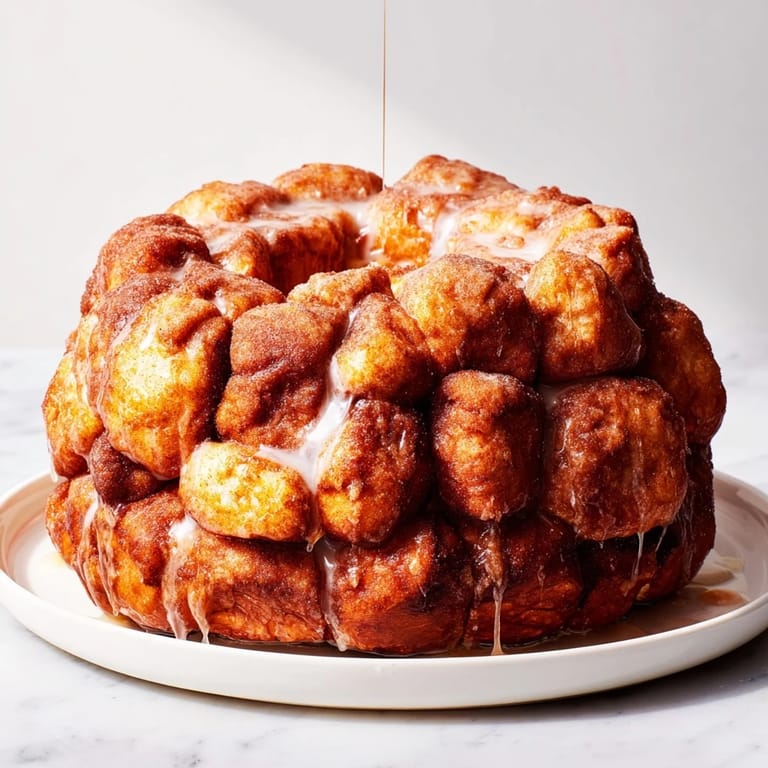
 My sister brought monkey bread to a family potluck years ago, and I watched it disappear faster than anything else on the table. The sticky-sweet dough balls coated in cinnamon sugar had everyone reaching for seconds before the main course was even served. I finally asked for her secret, expecting something elaborate, but it was simpler than I imagined—just tender dough balls dressed up in butter and cinnamon, baked until golden in a bundt pan. Now it's my go-to when I need something that looks impressive but feels genuinely easy to pull together.
I remember baking this on a lazy Sunday morning when my friend texted asking if I had plans—I told her to come over and she arrived just as the oven timer went off. The aroma of cinnamon and butter filled my tiny kitchen, and watching her face light up when she peeled off that first sticky-sweet ball made the whole thing worthwhile. It became our weekend tradition after that, often served with strong coffee and whatever we were catching up about.
Ingredients
- All-purpose flour (500 g / 4 cups): The foundation of tender dough—all-purpose is more forgiving than bread flour and gives you that perfect tender crumb without overdoing the chew.
- Instant dry yeast (7 g / 2¼ tsp): This is your leavening engine; instant yeast dissolves quickly and works reliably, unlike compressed yeast which can be finicky.
- Granulated sugar (60 g / ¼ cup for dough, 200 g / 1 cup for coating): The dough sugar feeds the yeast and adds subtle sweetness; the coating sugar is where the caramelized edges come from, so don't skimp.
- Salt (1 tsp): A small amount balances sweetness and strengthens gluten development—leave it out and your dough will feel flat.
- Warm milk (180 ml / ¾ cup): Warm (not hot—around 110°F or 43°C) is crucial because cold milk slows fermentation and hot milk kills the yeast.
- Unsalted butter, melted (60 g / ¼ cup for dough, 115 g / ½ cup for coating): Melted butter incorporates smoothly into dough and creates those caramelized edges in the pan—use salted butter and your coating becomes salty-sweet, which some people love and others don't.
- Large eggs (2): These add richness and help bind the dough together, making it slightly enriched without being heavy.
- Ground cinnamon (2 tsp): This is the flavor backbone of the coating—quality matters here, so if your cinnamon has been sitting in the cabinet for three years, now's the time to refresh it.
- Powdered sugar (120 g / 1 cup for optional glaze) and vanilla extract (½ tsp): The glaze is truly optional, but it adds a polished finish and catches the light beautifully when serving.
Tired of Takeout? 🥡
Get 10 meals you can make faster than delivery arrives. Seriously.
One email. No spam. Unsubscribe anytime.
Instructions
- Mix the dough foundation:
- In a large bowl, whisk together flour, yeast, sugar, and salt—this distributes the yeast evenly and prevents clumpy dough. Add warm milk, melted butter, and eggs, then stir until shaggy bits come together.
- Knead until silky:
- By hand or mixer, knead for 5–7 minutes until the dough transforms from sticky to smooth and elastic—you'll feel it spring back when you poke it. This is where gluten develops, making your final bread tender but structured.
- Let it rise and relax:
- Oil a bowl lightly, nestle the dough in, cover with a damp towel, and tuck it somewhere warm for 1 hour until it's doubled—a turned-off oven with the light on works perfectly. The dough should feel puffy and soft when you poke it.
- Prepare your coating station:
- Mix cinnamon and sugar in one shallow bowl, pour melted butter into another—setting this up first prevents last-minute scrambling when your hands are sticky.
- Divide and shape:
- Punch down the risen dough to release excess gas, then cut into 40 small pieces (roughly the size of walnuts)—I count as I go to stay organized. Roll each piece gently between your palms into a smooth ball.
- Coat each ball:
- Dip a ball into butter, letting excess drip off, then roll in cinnamon sugar—the coating should be visible and slightly thick. Layer coated balls evenly in a well-greased bundt pan, filling any gaps naturally.
- Second rise:
- Cover the pan loosely and let it sit for 20–30 minutes until the dough balls puff up slightly and touch each other—you want them risen but not overstuffed. This second rise is shorter because the dough is already active.
- Bake until golden:
- Preheat your oven to 180°C (350°F) while the dough rises, then slide the pan in and bake for 30–35 minutes until the top is golden and a skewer inserted into the center comes out clean. The edges will caramelize beautifully where the butter and sugar meet the pan.
- Cool briefly, then unmold:
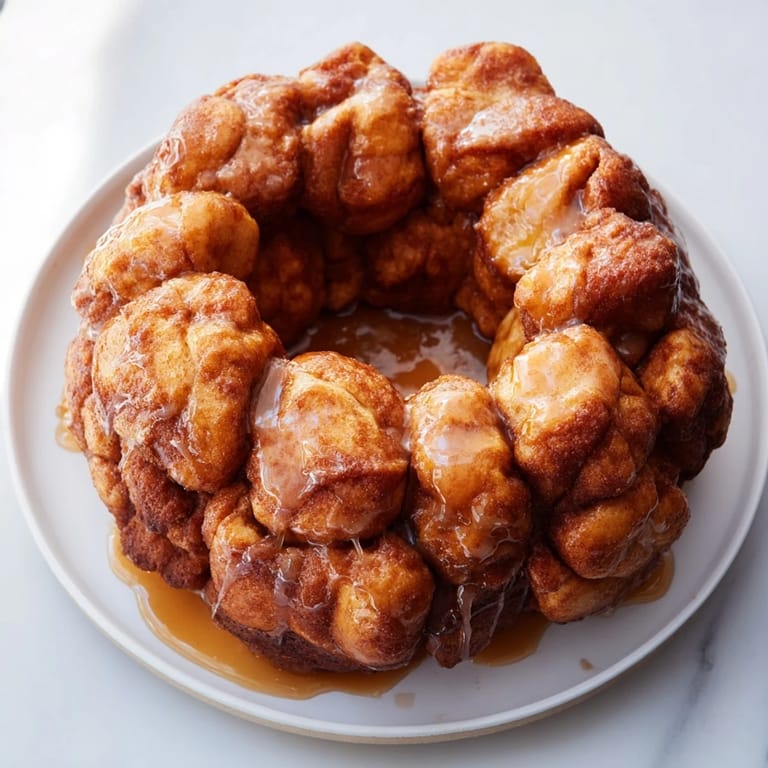
- Let the bread rest in the pan for exactly 10 minutes—this is long enough to set but short enough to turn out cleanly. Place a serving plate over the pan, take a breath, and flip confidently.
- Glaze if desired:
- Whisk powdered sugar with milk and vanilla until pourable, then drizzle over the warm bread while it's still hot so the glaze soaks in slightly.
 Pin It
 There was a morning I nearly overbaked this because I got distracted with laundry, and even then, the bread was still revelatory—the edges caught hard enough to crack slightly, and the insides stayed tender and gooey. That accident taught me that monkey bread is genuinely hard to ruin; the worst case is slightly darker caramelization, which honestly isn't a problem.
Why This Bread Works for Any Occasion
Monkey bread exists in this perfect middle ground where it's dressed up enough for brunch guests but casual enough for a weeknight breakfast. The pull-apart format means nobody needs a plate or utensils, making it ideal for casual gatherings, road trips, or eating straight from the pan while standing at the kitchen counter. I've served it warm with coffee, cooled it for lunchbox packing, and even reheated day-old pieces in the microwave to surprising success.
The Science of Tender Crumb
The key to monkey bread's characteristic tenderness is the enriched dough—eggs and butter prevent it from drying out while keeping the crumb soft and almost custardy. The two-rise method matters too; the first rise builds flavor and structure, while the second rise happens in the pan where the balls nestle together and steam slightly, keeping everything moist. This is why monkey bread stays tender for two full days, unlike plain yeast breads that start drying out after a few hours.
Serving Ideas and Storage Tips
Serve monkey bread at its warmest for maximum sticky-sweet appeal, ideally within an hour of unmolding. It reheats beautifully wrapped in foil at 160°C for about 10 minutes, and leftover pieces can be refrigerated for three days or frozen for up to a month. Some mornings I've warmed a single piece in the microwave for just 15 seconds to bring back that fresh-baked softness, which might be the best breakfast shortcut I've discovered.
- Pair it with strong coffee, chai, or hot chocolate for an instant comfort moment.
- Add chopped pecans or walnuts between dough layers if you want texture and richness beyond the cinnamon sugar.
- Make a batch on Sunday and you'll have warm breakfast moments ready to grab all week.
 Pin It
 This is the kind of bread that makes people genuinely happy, the kind worth mastering because it never fails to delight. Once you nail it once, you'll find yourself making it again and again.
Recipe FAQs
- → What makes the bread sticky and sweet?
The coating of melted butter combined with a cinnamon sugar mixture creates the sweet, sticky texture on the bread's surface.
- → Can I add nuts for extra flavor?
Yes, chopped pecans or walnuts can be layered between the dough balls before baking to add crunch and flavor.
- → How do I know when the bread is fully baked?
It should be a golden brown color on top and cooked through. You can test doneness by inserting a toothpick; it should come out clean.
- → Is there a glaze option to enhance flavor?
An optional glaze made from powdered sugar, milk, and vanilla can be drizzled over warm bread for added sweetness and moisture.
- → What is the best way to serve this bread?
Serve warm for the best texture and flavor, optionally alongside coffee or chai.