 Pin It
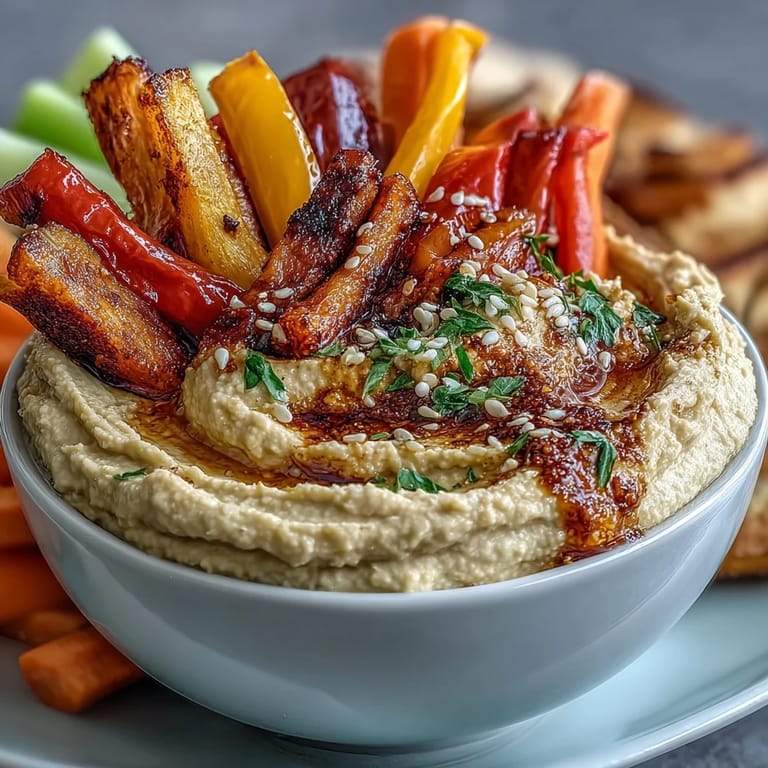
 My daughter came home from school one afternoon complaining that her lunchbox snacks were boring, so I started experimenting with little containers filled with hummus and vegetables. There's something about the ritual of assembling these cups that feels more like crafting than cooking—you get to arrange colors like you're painting, and somehow veggies taste better when they're standing upright and ready to dip. These have become her favorite thing to grab before soccer practice, and honestly, they've saved me on mornings when I forgot to pack lunch.
I remember packing these for a field trip last spring, and three other parents asked me what they were halfway through the day. By the end of the week, I'd made about 20 cups for a neighborhood picnic. There's something about handing someone a little cup of vegetables and hummus that makes them feel cared for—not like you threw together last-minute snacks, but like you actually thought about what would make them happy.
Ingredients
- Hummus: Use store-bought for speed, or make your own if you want that silky homemade texture—either way, about 1.5 cups divided into 6 portions.
- Carrots: Peel them first so they stay crisp longer, and cut into sticks about the width of a pencil so they stand up nicely in the cup.
- Cucumber: Cut thicker sticks than you think you need because they'll absorb moisture as they sit, but they'll still be crunchy.
- Bell peppers (red and yellow): These add sweetness and visual pop—remove all the seeds carefully so you don't have them hiding in the hummus later.
- Snap peas: They're naturally sweet and don't need cutting, so grab a handful and trim the stem end.
- Cherry tomatoes: Leave them whole unless they're enormous—they roll around in the cup a bit but people love them.
- Celery and jicama (optional): Add these if you want more crunch and earthiness, but they're not essential.
Tired of Takeout? 🥡
Get 10 meals you can make faster than delivery arrives. Seriously.
One email. No spam. Unsubscribe anytime.
Instructions
- Wash and prep everything:
- Rinse all your vegetables under cold water and pat them dry with a towel—moisture is the enemy of crispness here. This is honestly the most important step, even though it feels obvious.
- Cut vegetables into dippable pieces:
- Carrots, cucumbers, celery, and jicama should be cut into sticks about 3 to 4 inches long; peppers into strips; keep snap peas and tomatoes whole. The pieces should feel substantial enough to scoop hummus without breaking.
- Portion the hummus:
- Divide your hummus equally among 6 small lidded cups or mason jars—about 1/4 cup each, spread so it covers the bottom. If you want to get fancy, use the back of a spoon to create a little well in the center.
- Arrange vegetables:
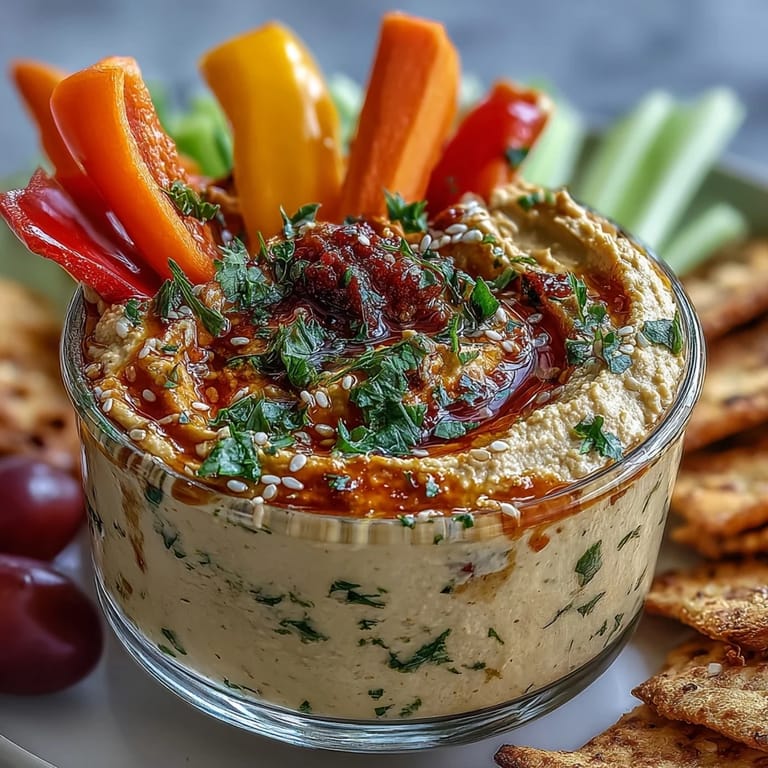
- Stand the vegetable sticks upright in the hummus like they're growing out of it, mixing colors and types so each cup looks appealing. Don't overcrowd—you want people to actually be able to grab vegetables without creating an avalanche.
- Chill and cover:
- Snap on the lids and refrigerate for at least an hour before packing them up. They'll keep for 2 days if you need to make them ahead, though they're best eaten within 24 hours.
 Pin It
 Last summer, my son's baseball team was heading out for a tournament, and I made these cups for the whole group. Watching a bunch of sweaty nine-year-olds sitting in the dugout between innings, quietly munching vegetables instead of asking for chips, felt like a minor victory. One kid asked his mom why her snacks didn't come in a cup like this—sometimes feeding people well is just about presentation and a little bit of thought.
Flavor Boosting Ideas
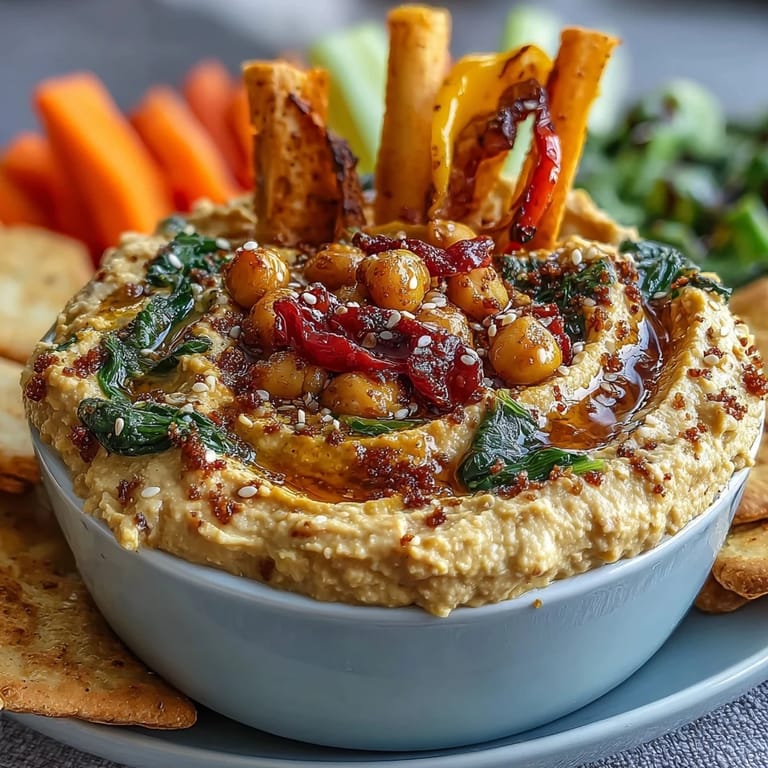
The hummus is the main event here, so don't be shy about seasoning it before you divide it into cups. A pinch of smoked paprika looks beautiful and tastes amazing, or try za'atar if you want something with more character and nuttiness. A tiny drizzle of really good olive oil on top changes everything—it sounds fancy but it takes 30 seconds.
Switching Up Your Vegetables
These cups are totally flexible, which is their best feature. In summer I add blanched green beans and radishes; in winter I might toss in raw broccoli florets or roasted cauliflower pieces. Cherry tomatoes work year-round, but honestly, whatever looks fresh and good at the market is what should go in.
Make It Heartier or Allergen-Friendly
If you want to add protein, baked tofu sticks or cheese cubes work beautifully—just layer them in with the veggies. For dairy-free versions, stick with the hummus as your protein source, which is actually plenty satisfying. If anyone in your crew has a sesame allergy, make sure your hummus is sesame-free, or swap it out for a tahini-free white bean dip instead.
- Always check store-bought hummus labels for hidden allergens like soy or cross-contamination warnings.
- Make these cups in the evening and they'll be ready to grab first thing in the morning.
- Mason jars with tight lids actually work better than plastic cups because they seal in freshness longer.
 Pin It
 These little cups have quietly become one of my most-requested things to bring to gatherings, which says something about how hungry people are for simple, real food. They're proof that you don't need complicated recipes to feed people something they'll actually be excited to eat.
Recipe FAQs
- → What vegetables work best for the snack cups?
Carrots, cucumbers, bell peppers, snap peas, and cherry tomatoes are ideal for crisp, colorful cups. Optional add-ins like celery and jicama provide extra crunch.
- → How should the vegetables be prepared?
Wash thoroughly and cut into sticks or bite-sized pieces to stand upright in the hummus for easy dipping.
- → Can the hummus be flavored differently?
Yes, try sprinkling paprika, zaatar, or a drizzle of olive oil on the hummus before adding vegetables for enhanced taste.
- → How long can the snack cups be stored?
Keep refrigerated and consume within two days to maintain freshness and texture.
- → Are these snack cups suitable for dietary restrictions?
They are vegetarian, gluten-free, and dairy-free, but check hummus ingredients for potential soy or sesame allergens.