 Pin It
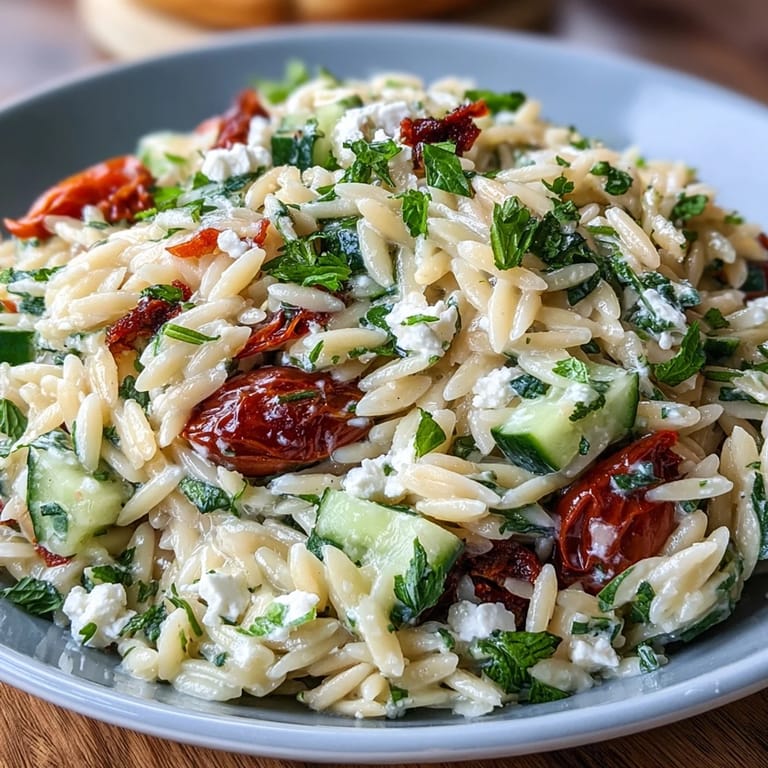
 The first time I stirred together this Orzo Salad, sunlight spilled onto my kitchen counter and the lemon zest released its sharp fragrance like summer breaking through an open window. I didn't set out to impress anyone, just to use up a lonely cucumber and that wedge of feta left from another meal. There was music humming in the background and before I knew it, I was chopping parsley, laughing a little at my lopsided tomato halves. The quick tanginess of the dressing made me blink—zippy, bright, and unexpected. Sometimes, the simplest dishes catch you off guard and become your favorites without any grand plans.
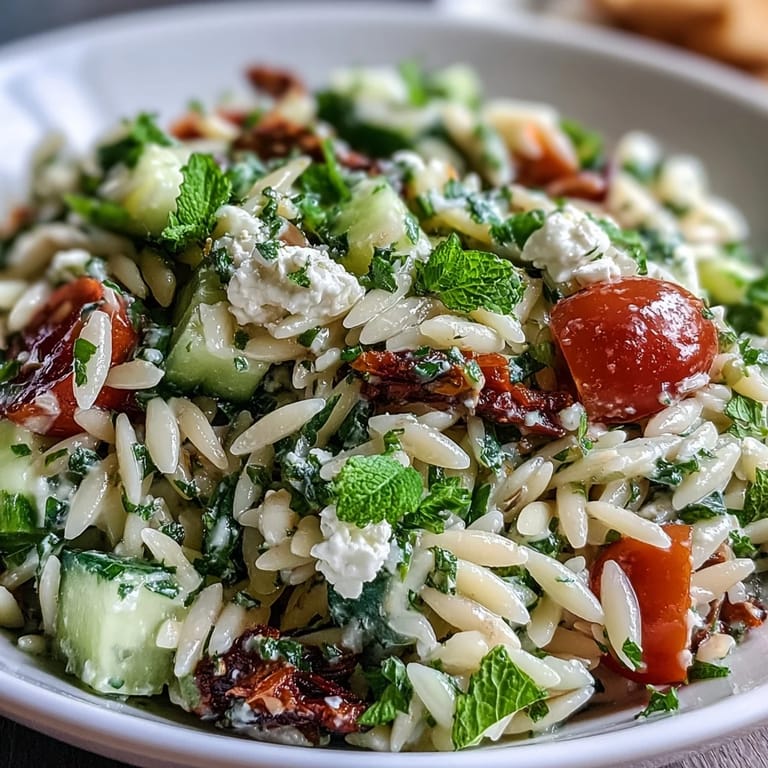
A few weeks ago, my neighbor stopped by and we found ourselves chatting around the kitchen island, spoons in hand, eating straight out of the mixing bowl. We argued—good-naturedly—about whether mint belonged in the recipe, eventually tossing in a handful just to see. It was one of those impromptu lunch moments that stretched on because neither of us could stop nibbling. By the end, we were plotting what else we could toss in next time. Turns out orzo salad is best shared over laughter and low expectations.
Ingredients
- Orzo pasta: Cooking the pasta just until al dente keeps the salad from turning mushy—I always rinse it under cool water to halt the cooking and keep the grains distinct.
- Cucumber: Go for a firm cucumber, and if it's particularly seedy, scoop out the middle for a crisp, less watery bite.
- Red onion: I soak the finely chopped onion briefly in cool water to take away the harsh edge while preserving its crunch.
- Cherry tomatoes: Use the ripest ones you can find—their sweetness makes each forkful juicy and bright.
- Fresh parsley: Flat-leaf parsley adds a grassy, fresh lift; I chop the leaves just before tossing them in to preserve their color.
- Fresh mint (optional): Just a touch adds a cool note—if you're unsure, start with less and taste as you go.
- Feta cheese: Creamy and tangy, it crumbles best straight from the fridge before softening at room temperature.
- Extra virgin olive oil: A good quality oil brings the dressing together—look for something fruity and smooth.
- Lemon (zest and juice): Freshly grated zest is key; it perfumes the whole salad, and the juice brings all the flavors to life.
- Garlic: One small clove, minced finely, goes a long way in the dressing; letting it sit for a few minutes in the lemon juice mellows the bite.
- Honey or maple syrup: Just a touch balances the sharpness of the lemon—I reach for whatever I have handy.
- Dried oregano: Mediterranean staple—crush it gently between your fingers to release the aroma as you add it.
- Black pepper: Freshly cracked is best for that subtle heat.
- Salt: Taste at the very end since feta brings its own salinity.
Tired of Takeout? 🥡
Get 10 meals you can make faster than delivery arrives. Seriously.
One email. No spam. Unsubscribe anytime.
Instructions
- Cook the orzo:
- Fill a large pot with salted water and bring to a rolling boil. Stir in the orzo and cook until just al dente—about 8 to 10 minutes—then drain and rinse with cold water so it stays springy and never soggy.
- Whisk the dressing:
- In a bowl or jar, combine olive oil, lemon zest and juice, minced garlic, honey, oregano, a pinch of salt, and a few cracks of black pepper. Shake or whisk until well blended and taste for brightness or sweetness—you might want an extra squeeze of lemon or drop of honey.
- Prep the veggies:
- Dice the cucumber, finely chop the red onion, halve the cherry tomatoes, and roughly chop the parsley and mint. The kitchen fills with fresh herb scents, so lean in and enjoy for a second.
- Mix it all together:
- In a roomy salad bowl, layer in the cooled orzo, vegetables, and herbs. Pour over the lemon dressing and toss everything gently—watch as the colors mingle and shine.
- Add the feta:
- Crumble in the feta cheese and fold lightly to avoid breaking it up too much. The creamy bits will cling to the pasta and veggies like little surprises in every bite.
- Chill and serve:
- Place the salad in the fridge for 15 to 30 minutes if you have time—the flavors deepen and meld. Serve straight from the bowl and garnish with extra parsley or feta if the mood strikes.
 Pin It
  Pin It
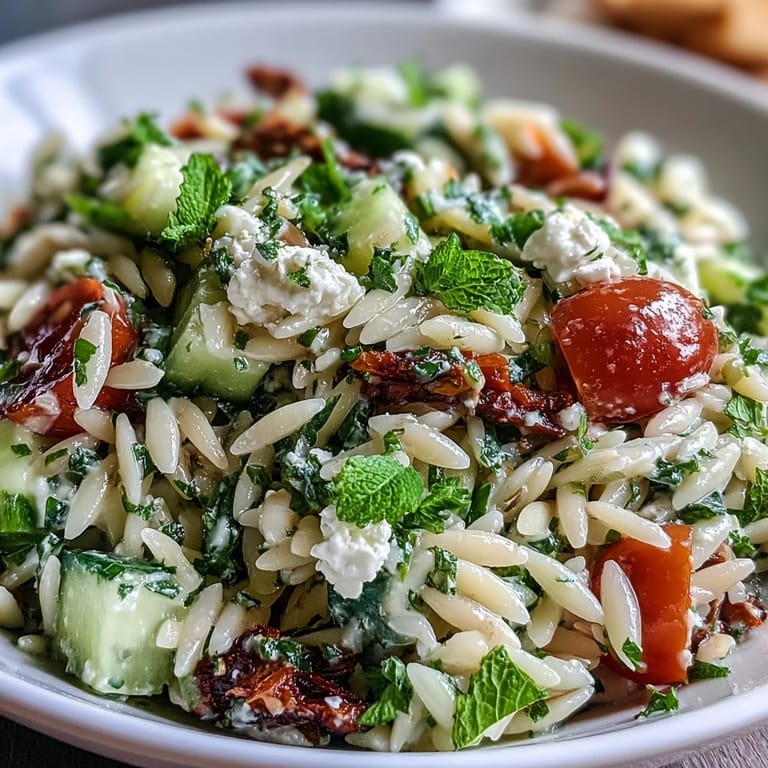
 One evening, I took this salad along to a picnic and watched it disappear before anything else—a small win for the humble orzo. As the sun dipped low, someone asked for the recipe, and I realized it had become more than just a quick lunch to me—it was the dish I now reach for when I want to share a little brightness.
Mix-Ins That Never Fail
If you're the type who likes to riff, this salad welcomes all sorts of extras—I've mixed in cooked chickpeas for extra protein, briny Kalamata olives for depth, and sweet roasted peppers for color. Once, I even tossed in leftover grilled chicken when feeding a hungry crowd. This flexibility is one of my favorite things about it—I rarely make it the same way twice.
How to Store and Serve
Leftovers hold up beautifully in an airtight container for up to three days—sometimes the dressing intensifies, which I love. If you're planning ahead, keep the feta on the side and fold it in just before serving to avoid sogginess. Let the salad come to room temperature for a few minutes before eating for the best texture and flavor.
A Few Final Pointers for Orzo Salad Success
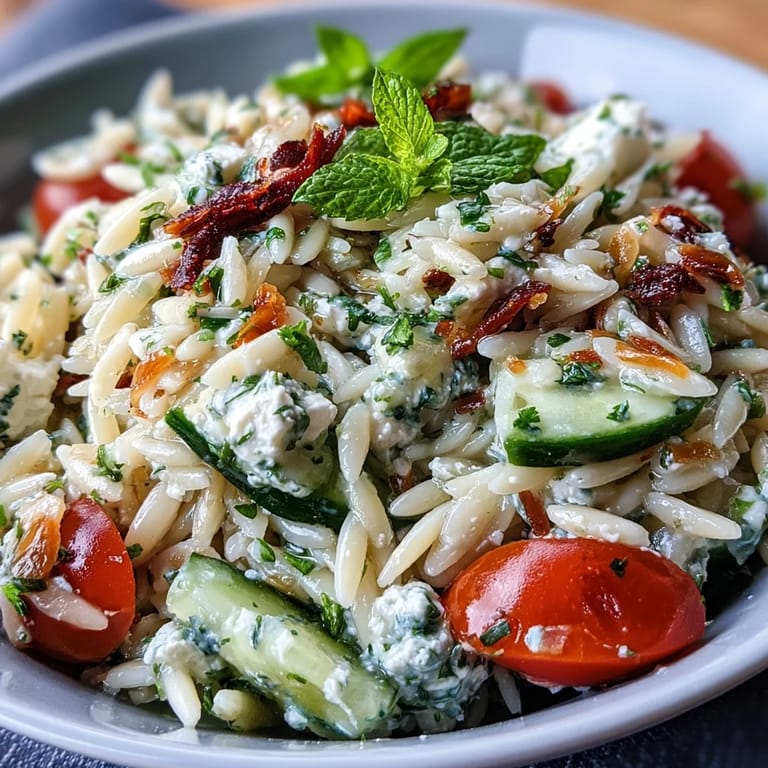
Through trial and error, I've found a handful of simple tricks make a difference in the end result, especially if you're prepping for a potluck or lunchboxes. Don't be shy about adjusting the lemon, herbs, or even the veggies to your tastes—there are no hard rules here. And truly, a sprinkle of flaky salt at the end makes the whole thing sing.
- If you use gluten-free orzo, check early for doneness—it cooks quickly.
- For the boldest flavor, gently crush the herbs between your fingers as you add them.
- Taste the salad right before serving and adjust the seasoning, especially after chilling.
 Pin It
  Pin It
 Every time I make this, I’m reminded how a simple bowl of salad can lighten up any meal or mood. I hope it brings as much color and zing to your table as it has to mine.
Recipe FAQs
- → How do I prevent the orzo from turning mushy?
Cook orzo just until al dente, drain and rinse under cold water to stop cooking. Toss briefly with a little olive oil to keep the grains separate before combining with the vegetables and dressing.
- → Can I make this dairy-free?
Yes. Omit the feta and use a firm dairy-free crumble or toasted nuts (pine nuts or almonds) for texture. Adjust salt and acidity to compensate for the lost tang from the cheese.
- → What's the best way to emulsify the lemon dressing?
Whisk the lemon juice, garlic, honey and oregano first, then drizzle in olive oil while whisking briskly until the mixture thickens. Alternatively, shake all ingredients in a jar with a tight lid for a quick emulsion.
- → Can this be made ahead and how should it be stored?
Yes. Store in an airtight container in the refrigerator for up to 3 days. For best texture, toss dressing with the salad shortly before serving or reserve a small amount of dressing to refresh flavors when serving leftovers.
- → What proteins pair well with this salad?
Cooked chickpeas, grilled chicken, seared shrimp or flaked tuna are all good options. Add the protein chilled or at room temperature so it blends smoothly with the salad.
- → Is there a gluten-free alternative to orzo?
Use gluten-free orzo made from rice or corn, or substitute with quinoa, millet, or small gluten-free pasta shapes. Adjust cooking time according to package directions.