 Pin It
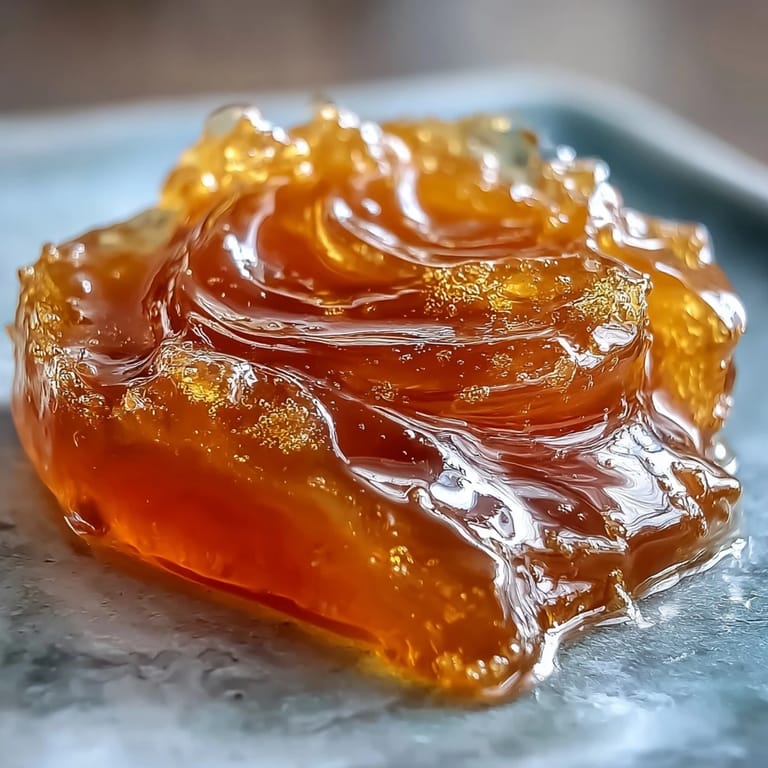
 The first time I tried making dandelion jelly, the kitchen was awash in late-spring sunlight, and the scent of wildflowers kept drifting in through the open window. I hadn't planned ahead—just noticed a patch of dandelions dotting the yard, and figured it was as good a day as any to pick petals and make something playful. There's something almost mischievous about transforming humble weeds into a glowing jar of jelly, so I couldn’t help but smile as I started plucking. The process is simple, but waiting for the petals to steep reminded me to slow down and appreciate the little things. By the time the jelly cooled, its delicate honey aroma was nearly as satisfying as the glistening result itself.
I remember making this batch for my neighbor after she admired the blooms on my lawn, and we ended up chatting at the fence about childhood treats and odd preserves. We shared toast slathered with bright yellow jelly, laughing at how neither of us thought we'd ever eat dandelions. Sharing dandelion jelly felt like letting her in on a tiny secret—one that tasted like sunshine and was easier to pull off than she imagined. Sometimes I can still hear our conversation when I spoon jelly onto my breakfast. It made the afternoon feel lighter, and now I never skip dandelions for jelly making.
Ingredients
- Dandelion Petals: Only use the yellow parts—the green makes things bitter, so have patience and pinch carefully.
- Water: Fresh and cold is best; it's the base for dandelion tea, so avoid water that tastes anything less than clean.
- Lemon Juice: This helps the flavor pop and balances sweetness—I learned fresh juice gives a brighter note, but bottled works in a pinch.
- Powdered Fruit Pectin: The secret to a perfect set; make sure it hasn't expired or you'll end up with syrup, not jelly.
- Granulated Sugar: Jelly relies on plenty of sugar for both sweetness and structure—don't skimp or swap, unless you love experiments.
Tired of Takeout? 🥡
Get 10 meals you can make faster than delivery arrives. Seriously.
One email. No spam. Unsubscribe anytime.
Instructions
- Petal Preparation:
- Give each dandelion flower a gentle rinse, then pluck just the yellow petals, trying your best not to include the green bases. The kitchen feels a bit magical when the pile of petals grows—take your time and enjoy the process.
- Steeping the Petals:
- Boil water and add the petals, then cover and let them sit for four hours (or overnight if you’re feeling patient). When you strain the liquid, squeeze gently as every drop holds floral goodness—it will smell faintly sweet and earthy.
- Cooking the Jelly:
- Pour your dandelion tea into a large saucepan, add lemon juice and pectin, and bring to a lively boil while stirring. Dump all the sugar in at once, return to a strong boil, and stir constantly—after a minute or two, the mixture thickens and takes on shine; skim off any foam and take a moment to appreciate the transformation.
- Jarring and Processing:
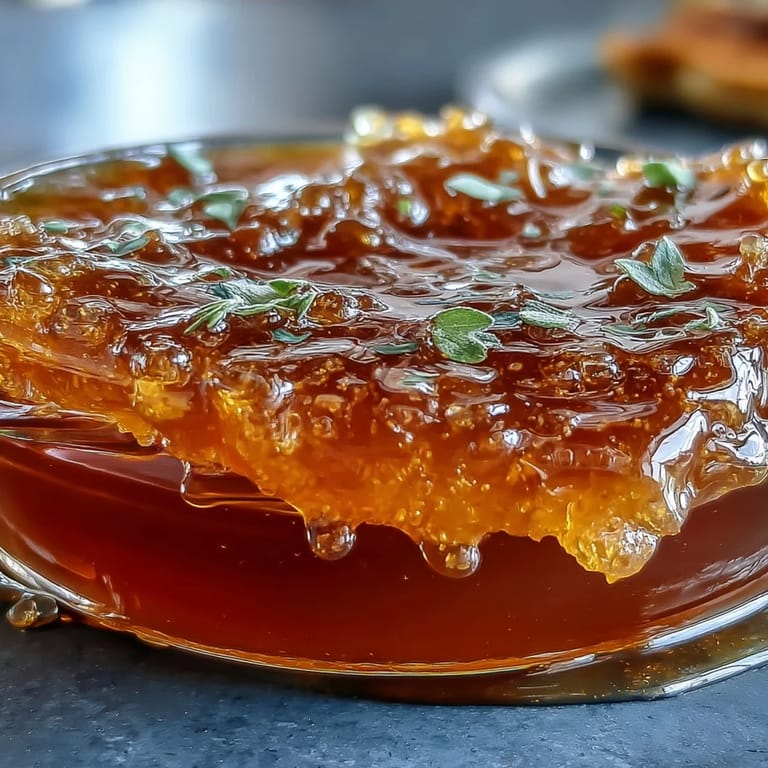
- Ladle the hot jelly into sterilized jars, leaving space at the top, wiping rims before sealing. You can process jars in a boiling bath for five minutes or simply cool and refrigerate for quick spooning—either way, your jars will shine golden.
 Pin It
 When I gifted jars at a spring gathering, the jelly became a centerpiece conversation—everyone marveled at how the flavor was unexpectedly honeyed and floral. It was more than a sweet treat; it felt like sharing a bit of sunshine, and friends later told me they looked at dandelions differently after that day.
How to Pick the Best Dandelion Petals
Don’t be tempted to gather every flower—choose bright, fully opened dandelions from clean areas, far from roads or sprayed lawns. Picking petals outside is oddly meditative and the breeze sometimes carries away stray yellow bits, but it's worth pausing to avoid picking up any green. The more patient you are, the better the flavor and the clearer the jelly. I learned the hard way that rushing means more bitterness, less floral charm.
Sterilizing Your Jars Made Simple
I've found that heating jars in simmering water for ten minutes is the simplest method—but a run through the dishwasher without soap works if you’re short on time. Dry them upside-down and use them while still warm so they don’t crack from sudden temperature changes. Clear jars make the jelly’s golden color shine even brighter, turning your larder shelf into a little lineup of sunshine. The ritual of sterilizing feels satisfying—almost like preparing a stage for something special.
Troubleshooting Jelly Setting
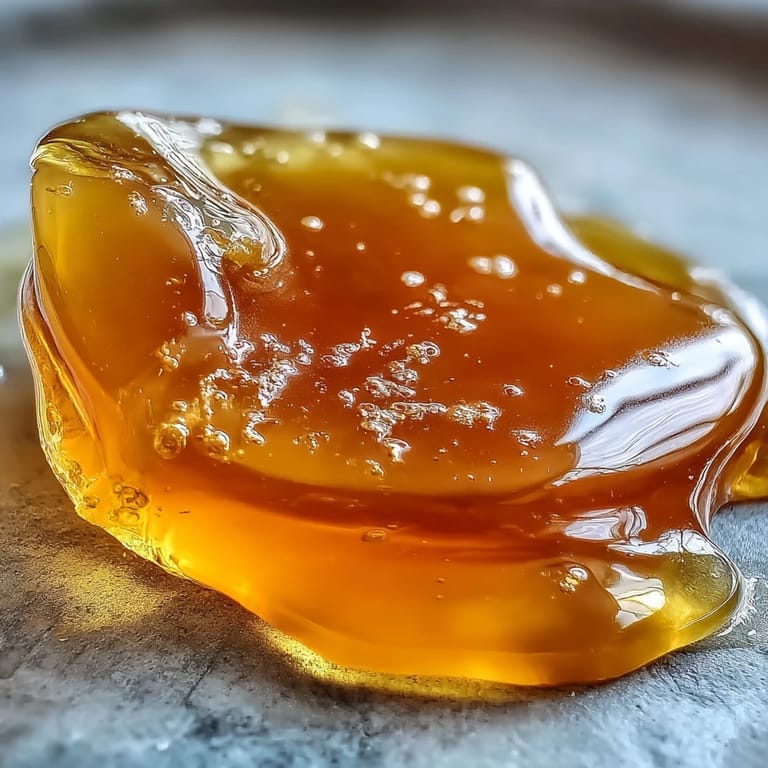
If your jelly seems loose after cooling, just relax—it often sets a bit more after a day. But if it’s still runny, reboil the batch with another spoonful of pectin and it should firm up nicely. Don’t panic if you see a little foam; skim gently and your jelly will stay clear. Sometimes, even small changes in temperature or timing can shift the set and color, so trust your senses and keep notes for next time.
- Use a metal spoon to test jelly doneness before jarring.
- Never double the batch—jelly sets best in smaller quantities.
- Always label jars with ingredient and date for sharing or storing later.
 Pin It
 This jelly transforms simple moments into something almost magical—spread a bit on warm muffins and taste the glow of wildflowers. Dandelion jelly is unexpected, delightful, and always a conversation starter at breakfast.
Recipe FAQs
- → How do you prepare dandelion petals?
Pinch off only the yellow petals, avoiding green parts, then rinse gently to remove debris.
- → Why do you steep petals before cooking?
Steeping extracts floral flavor, creating a delicate infusion that's key to the jelly's taste.
- → Can orange zest enhance the jelly?
Yes, adding orange zest to the lemon juice adds a bright citrus twist to the overall flavor.
- → How do I know the jelly will set?
Jelly sets as it cools; if still loose after 24 hours, reboil with more pectin for firmness.
- → What tools are essential for making jelly?
A saucepan, fine mesh sieve or cheesecloth, sterilized jars, and a ladle make the process smooth.
- → Is this jelly allergen-free?
Dandelion and basic ingredients contain no common allergens; always check pectin and sugar labels.