 Pin It
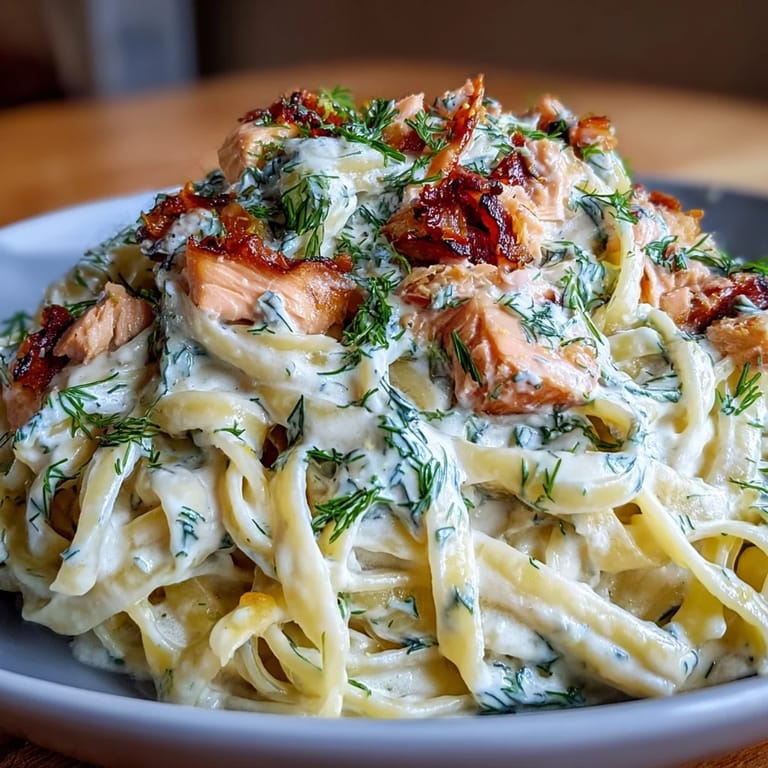
 There's something about the smell of butter and garlic hitting a hot pan that makes you forget about the day entirely. I discovered this salmon pasta on a Wednesday evening when my fridge was half-empty and my patience for complicated cooking was even emptier. Twenty-five minutes later, I was twirling silky strands around my fork, tasting cream and lemon and smoky salmon all at once, and wondering why I'd never thought to combine these ingredients before. It became the kind of dish I make when I want to feel like I've done something special without actually spending much time proving it.
My neighbor stopped by one evening while I was plating this, and the aroma pulled her into the kitchen before I could even say hello. She sat down without invitation, twirled a forkful, closed her eyes, and said nothing for a few seconds, which told me everything. Now whenever she mentions weeknight dinners, she asks if I'm making the salmon pasta, and I know it's because she remembers that moment of pure, uncomplicated satisfaction.
Ingredients
- Dried fettuccine or spaghetti, 350 g: The pasta's width matters here because you need it to cradle the sauce properly, so thinner strands will slip right through while wider ribbons hold onto every creamy bit.
- Unsalted butter, 2 tbsp: It's your foundation, so use butter that tastes like butter and not like the back of a grocery store shelf.
- Garlic and shallot: Mincing them fine means they'll dissolve into the butter rather than sit there as chunks, and that's where the flavor starts.
- Heavy cream, 200 ml: Don't skip this or swap it too aggressively unless you want a thinner, sadder sauce, though half cream and half milk works if you're looking to lighten things up.
- Dijon mustard, 1 tsp: A small amount adds sharpness and depth that balances all the richness without making itself known.
- Lemon zest and juice: Zest first before cutting the lemon, because squeezing juice from a naked lemon is messier than it needs to be.
- Reserved pasta water, 100 ml: This starchy liquid is your secret weapon for emulsifying the sauce into something silky rather than separate and greasy.
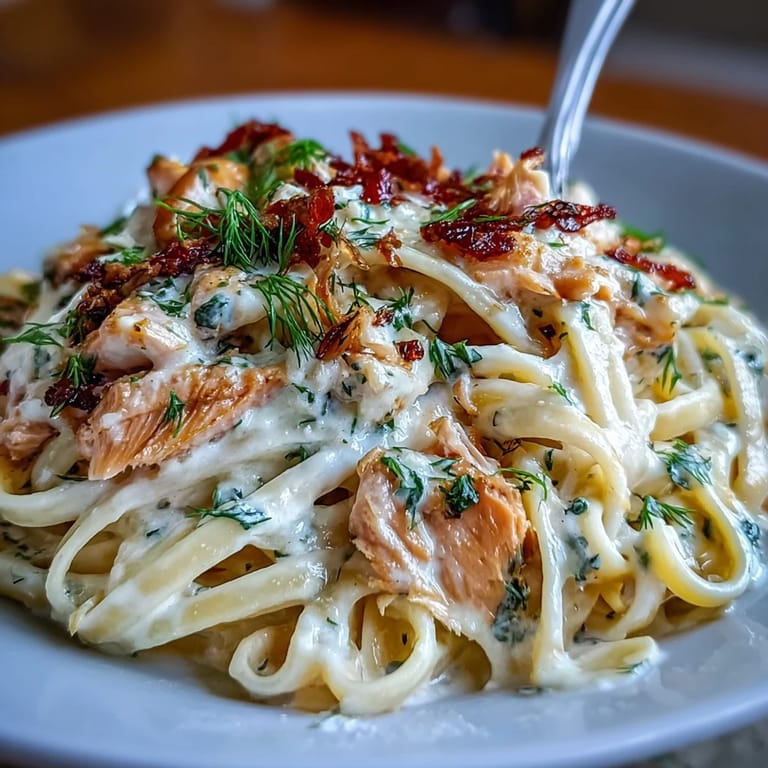
- Hot-smoked salmon, 150 g: The smoked version means you don't cook it again, which keeps it tender and saves you a step; flake it gently so you get big, satisfying pieces.
- Parmesan cheese, 30 g: Grate it fresh right before using, because pre-grated has anti-caking agents that prevent it from melting smoothly.
- Fresh dill or flat-leaf parsley: These are bright notes at the end, so don't mince them into submission and definitely don't add them at the beginning.
Tired of Takeout? 🥡
Get 10 meals you can make faster than delivery arrives. Seriously.
One email. No spam. Unsubscribe anytime.
Instructions
- Get Your Water to a Rolling Boil:
- Salt the water generously so it tastes like the sea, then let it bubble hard for at least a minute before dropping in your pasta. This head start means your pasta will cook evenly and your timing will actually be reliable.
- Cook the Pasta Until Just Al Dente:
- Check it a minute before the package says to, because a single minute makes the difference between perfectly springy and slightly mushier than intended. Scoop out that pasta water before draining, then set the pasta aside.
- Start the Sauce Base:
- Melt butter over medium heat until it's foaming, then add your minced garlic and shallot right away. Let them soften for two to three minutes, stirring occasionally, until the kitchen smells like you've done something intentional and delicious.
- Build the Creamy Foundation:
- Pour in the cream, add the mustard and lemon zest and juice, and let it all simmer gently without boiling hard. You want tiny bubbles at the edges, not an aggressive rolling situation that might cause the cream to split.
- Add the Salmon Gently:
- Fold in the flaked salmon along with half your fresh herbs, stirring just enough to warm everything through without breaking the salmon into smaller and smaller pieces. This is where tenderness matters.
- Bring It All Together:
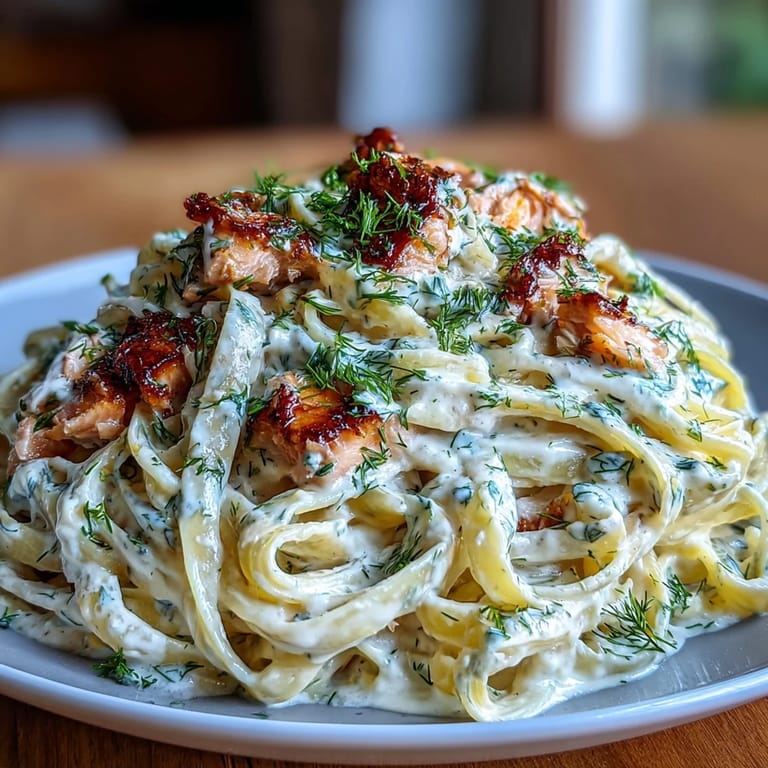
- Add the cooked pasta to the skillet and toss everything, adding that reserved pasta water a splash at a time until the sauce coats the noodles silkily. You want it to look like it's clinging to each strand, not pooling at the bottom.
- Season and Serve:
- Taste for salt and pepper, remembering that the Parmesan you're about to sprinkle is salty too. Plate immediately, top with the remaining herbs and maybe a tiny bit more lemon zest for brightness.
 Pin It
 One Sunday, I made this for someone I was trying to impress, and instead of a fancy dinner with five courses and tension, we ended up relaxed and laughing by the second bite. That's when I realized the recipe's real magic isn't in being complicated or rare—it's in being honest and taking the time to taste good without asking for much in return.
Why Hot-Smoked Salmon Works Best
I used to buy cold-smoked salmon for this dish because I thought smoked was smoked, but cold-smoked has a firmer, slicier texture that breaks apart strangely in a creamy sauce. Hot-smoked salmon is already tender from being gently cooked during the smoking process, so it flakes beautifully and doesn't toughen up when it meets heat. The flavor is also more approachable, less intensely fishy, which means the cream and lemon can actually complement it rather than fight for attention.
The Pasta Water Secret
I spent years making cream sauces that looked grainy or separated until someone finally explained that starch is an emulsifier. The starch in pasta water helps bind fat and cream together, creating that silky coating that makes every bite feel luxurious. Now I always reserve the water before I drain, and if I forget, I keep some pasta in the water briefly just to have something to add to the sauce.
Flavor Balance and Timing
The first time I made this, I added all the lemon at once and it tasted sharp and one-dimensional until I remembered that lemon works better when you use both zest and juice. The zest adds fragrance and oil without acidity, while the juice brightens everything but needs to be balanced with the cream. Now I always zest first, then taste before and after adding the juice, because sometimes half a lemon is plenty and sometimes you want the full brightness.
- Taste the sauce before adding the pasta so you're not chasing seasoning problems at the very end.
- Add herbs in two stages—half into the sauce so they infuse gently, and half on top so they stay fresh and vivid.
- Serve immediately because cream sauces thicken as they cool, and you want that silky moment right now.
 Pin It
 This pasta has become my answer to the evening question of what's for dinner, because it feels special without the fuss. Make it once and you'll understand why it stays in rotation.
Recipe FAQs
- → Can I use fresh salmon instead of hot-smoked?
Yes, though the preparation will need adjustment. Poach fresh salmon fillets in the cream sauce for 6-8 minutes until cooked through, then flake into the pasta. The flavor will be milder than the smoked variety.
- → What pasta shapes work best?
Fettuccine, spaghetti, or linguine are ideal as their long strands hold the creamy sauce beautifully. Short shapes like penne or fusilli also work well if you prefer something that catches the sauce in its tubes.
- → Can I make this lighter?
Absolutely. Substitute half the heavy cream with whole milk for a lighter version. The sauce will be less rich but still creamy and satisfying. You can also increase the pasta quantity slightly to stretch the sauce further.
- → How long do leftovers keep?
Store in an airtight container in the refrigerator for up to 2 days. The pasta will absorb more sauce as it sits, so add a splash of cream or pasta water when reheating to restore the silky consistency.
- → Can I freeze this dish?
Freezing is not recommended as cream sauces can separate when thawed and reheated. The pasta texture also suffers from freezing. It's best enjoyed fresh or refrigerated for next-day lunches.
- → What can I substitute for fresh herbs?
If you don't have fresh dill or parsley, try fresh basil, chives, or tarragon. Dried herbs work in a pinch—use 1 teaspoon dried dill instead of 2 tablespoons fresh, adding it earlier so flavors can develop.