 Pin It
 There's a particular Tuesday evening I think about whenever I make this dish—the kind of night when the kitchen felt too quiet and I needed something that promised warmth and comfort without requiring my full attention. I'd grabbed a bottle of red wine for cooking, some Italian sausage on impulse, and realized I could build an entire meal in one pot rather than juggling multiple burners. That first attempt was messy and imperfect, but when I tasted it, something clicked about how the wine rounded out the sausage, how the cream softened everything into something almost velvety.
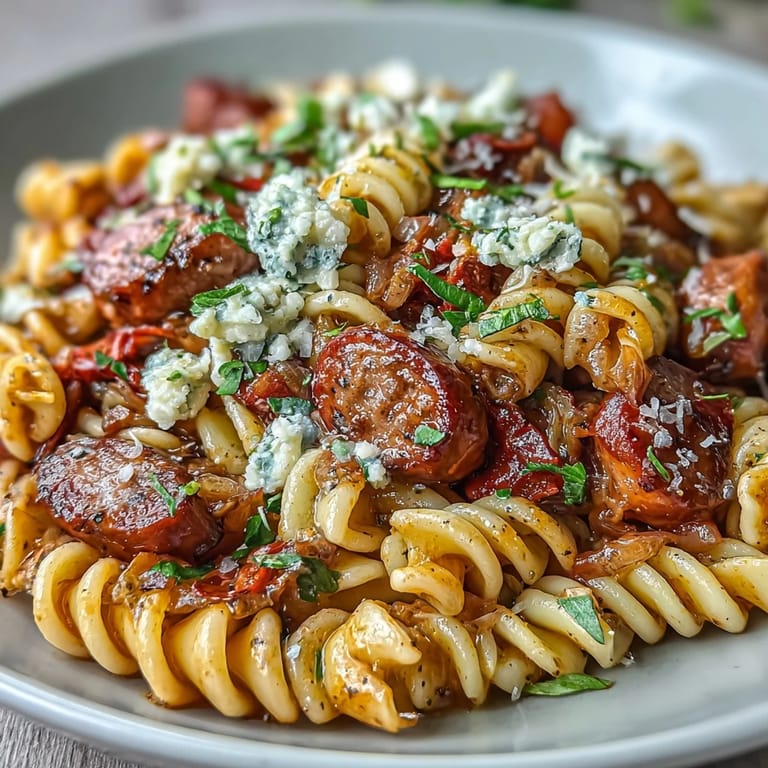
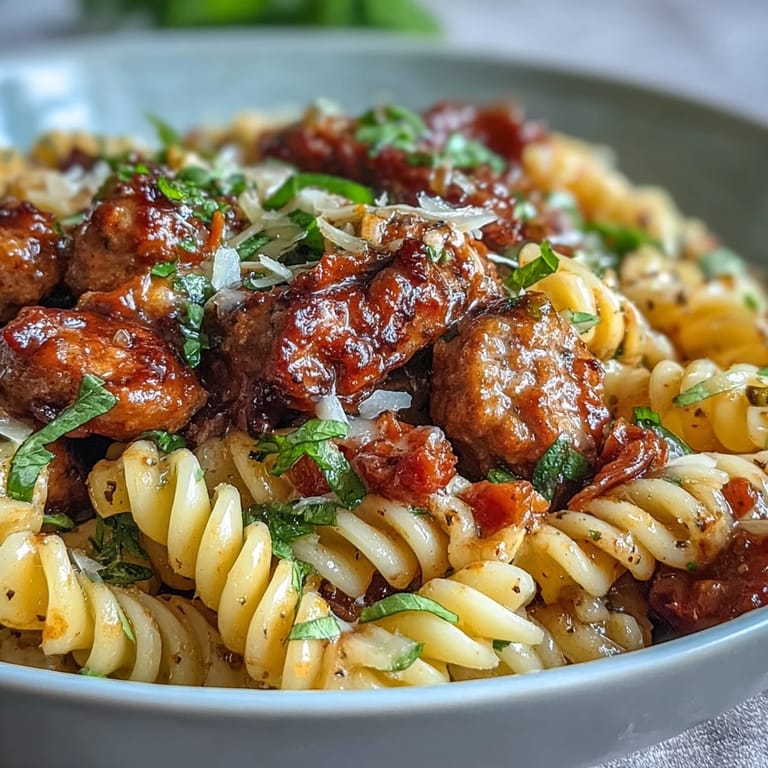
I made this for friends who dropped by unannounced on a Thursday, and I remember the relief of knowing I could have dinner ready in under 45 minutes without making anyone feel rushed. What surprised me most was how the sausage broke down into tiny, flavorful bits that distributed themselves throughout every forkful, and how the pasta absorbed the wine-tinged broth like it had been waiting for exactly this treatment. One friend asked for the recipe before dessert, which told me everything I needed to know.
Ingredients
- Italian sausage, 400 g (14 oz) with casings removed: This is your flavor foundation—buy decent sausage and don't skip browning it properly because those browned bits stick to the pot bottom and become pure flavor when you deglaze.
- Onion, 1 medium, finely chopped: The sweetness balances the wine's tannins, so don't rush the chopping or the sautéing.
- Garlic, 3 cloves, minced: Mince it fine so it melts into the sauce rather than leaving harsh pieces.
- Red bell pepper, 1, diced: This adds brightness and a subtle sweetness that plays beautifully against the soy sauce.
- Canned chopped tomatoes, 400 g (14 oz): San Marzano varieties are worth seeking out because they have less liquid and more natural sweetness.
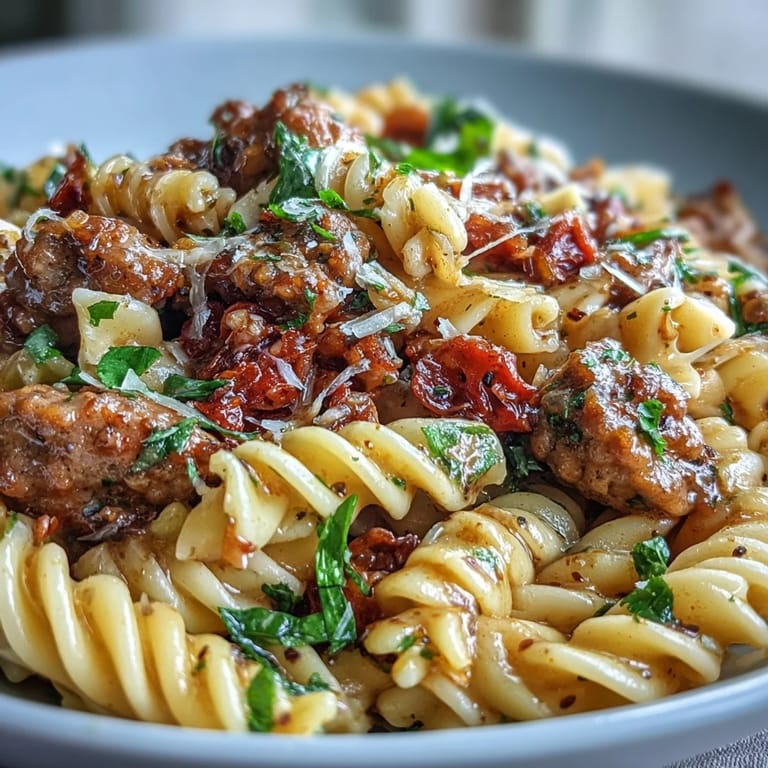
- Short pasta, 300 g (10 oz) (penne, rigatoni, or fusilli): Short shapes trap sauce better than long pasta, and uncooked pasta cooking in the liquid absorbs flavor directly.
- Dry red wine, 120 ml (1/2 cup): Use something you'd actually drink because the cooking concentrates flavors—cheap wine tastes cheap in the pot.
- Chicken or vegetable broth, 700 ml (3 cups), low-sodium: Low-sodium lets you control the salt balance yourself.
- Heavy cream, 120 ml (1/2 cup): Added at the end to soften the acidity and create that luxurious coating.
- Parmesan cheese, 40 g (1/2 cup), grated: Grate it fresh if you can because the anti-caking agents in pre-grated cheese can make the sauce grainy.
- Soy sauce, 2 tbsp: This umami backbone might seem odd in Italian food, but it anchors every other flavor and deepens the savory notes.
- Dried oregano, 1 tsp: It softens and blooms in the liquid rather than staying sharp like fresh would.
- Chili flakes, 1/2 tsp (optional): A whisper of heat that makes you taste everything more intensely.
- Black pepper, 1/2 tsp: Freshly ground if possible because pre-ground loses its volatile oils.
- Salt, to taste: Add it gradually because the soy sauce and broth already carry salt.
- Fresh basil or parsley, chopped, for garnish: This brightens the dish right before eating and reminds you that warmth and freshness can exist together.
Tired of Takeout? 🥡
Get 10 meals you can make faster than delivery arrives. Seriously.
One email. No spam. Unsubscribe anytime.
Instructions
- Brown the sausage properly:
- Heat your pot over medium heat and add the sausage, breaking it into small pieces with your spatula as it cooks. You want some browning on those pieces—about 5 to 6 minutes—because that's where deep flavor lives. Don't rush this step or you'll miss the best part.
- Build the aromatic base:
- Add your finely chopped onion, minced garlic, and diced bell pepper to the rendered sausage fat, stirring for 3 to 4 minutes until they soften. The kitchen will smell immediately warmer, and that's your signal that the foundation is set.
- Deglaze with wine:
- Pour the red wine into the pot and scrape the bottom with your spatula, lifting all those brown bits that are actually concentrated flavor. Let it bubble gently for 2 minutes so the alcohol burns off and the wine mellows into something smooth.
- Combine tomatoes and broth:
- Stir in the canned tomatoes, broth, soy sauce, oregano, chili flakes if you're using them, and black pepper. The liquid should be fragrant and look like it's already become something special.
- Add pasta and simmer:
- Drop the uncooked pasta directly into the pot, pushing it down so most of it stays submerged. Bring to a gentle boil, then reduce heat to medium-low, cover, and let it cook for 12 to 15 minutes, stirring occasionally, until the pasta is tender and the liquid has mostly absorbed into it.
- Finish with cream and cheese:
- Stir in the heavy cream and grated Parmesan, cooking uncovered for 2 to 3 more minutes until the sauce coats the pasta in a way that makes you want to eat it immediately. Taste and add salt if needed—go easy because you've already seasoned throughout the cooking.
- Serve with intention:
- Ladle into bowls while it's still steaming, top with fresh basil or parsley, and serve with the same wine you cooked with if you have it.
 Pin It
 I remember standing at the stove watching this dish come together and feeling that small satisfaction that comes from making something delicious without pretense or stress. My grandmother would have recognized the technique—meat, vegetables, wine, cream—even if she would have raised an eyebrow at the soy sauce, but that's what cooking is sometimes, mixing what you inherited with what you've learned along the way.
Why This Works as a One-Pot Meal
The genius of cooking pasta directly in the braising liquid is that it absorbs flavor from the start instead of being cooked bland and then sauced afterward. By the time the pasta reaches al dente, the broth has reduced, thickened slightly from starch released by the pasta, and clung to every piece. The cream at the end transforms this into something luxurious without requiring a separate sauce-making step, which means fewer things on your stove and more time to set the table or pour a glass of wine.
The Role of Red Wine in Everyday Cooking
Red wine in savory cooking does more than add alcohol—it brings tannins and acidity that sharpen flavors and prevent dishes from tasting flat or one-note. The longer it simmers, the more integrated it becomes, so by the time you finish cooking, you don't taste wine specifically, you taste depth. I learned this by accident when I had an open bottle and decided to use it instead of broth, and what happened was better than I expected.
Making It Your Own
This recipe has enough structure that it works perfectly as written, but it's also flexible enough that you can adjust based on what's in your kitchen or what you're craving. The sausage can be swapped for ground beef or turkey if you want something lighter, and the cream can be increased if you prefer a more luxurious sauce. Some additions that work beautifully include mushrooms sautéed with the vegetables, a handful of spinach stirred in at the end, or a pinch more chili flakes if you want heat that lingers.
- Turkey or plant-based sausage works if you want something leaner, though the final flavor will be slightly milder.
- Mushrooms add earthiness and depth, especially cremini or porcini varieties.
- A squeeze of fresh lemon juice at the very end brightens everything and cuts through the richness.
 Pin It
 This dish has become what I reach for when I want something that tastes like care without requiring hours or stress, which somehow feels like the most valuable recipe to have. Every time I make it, I'm grateful for that accidental Tuesday night that turned into something I come back to again and again.
Recipe FAQs
- → Can I use a different type of sausage?
Absolutely. While Italian sausage provides the best flavor, you can substitute with turkey sausage, chicken sausage, or even plant-based sausage for a lighter option. Adjust seasoning accordingly since some alternatives are less seasoned than traditional Italian sausage.
- → What pasta shapes work best?
Short pasta shapes like penne, rigatoni, fusilli, or macaroni are ideal because they catch the creamy sauce in their ridges and hollows. Avoid long strands like spaghetti—the sauce won't cling as effectively, and cooking them in this method can be tricky.
- → Is the red wine essential?
The red wine adds depth and acidity that balances the richness of the cream. If preferred, substitute with additional broth or grape juice, though the flavor profile will be slightly different. The alcohol cooks off completely during simmering.
- → Can I make this ahead?
This dish is best enjoyed fresh, as pasta continues to absorb liquid and may become mushy when reheated. If you must prep ahead, cook everything through step 4, then store separately. Cook the pasta and finish with cream just before serving.
- → How do I store leftovers?
Store in an airtight container in the refrigerator for up to 3 days. Reheat gently with a splash of broth or cream to restore the creamy consistency. The pasta will continue to soften, so leftovers make an excellent lunch the next day.
- → Can I make it vegetarian?
Yes. Replace the sausage with plant-based crumbles and use vegetable broth instead of chicken broth. You may want to add extra herbs or a splash of balsamic vinegar to compensate for the savory depth that sausage provides.